Gaza Facing Health and Environmental Catastrophe Over Waste Pile Up Following Israeli Closure of Dumping Sites
PALESTINE – Gaza is facing a health and environmental catastrophe from a pile up of garbage in the streets, residential neighborhoods and in displacement camps, according to authorities on Thursday.
The Joint Services Council for Solid Waste Management in central and southern Gaza said the worsening crisis, driven by Israel’s closure of major dumping sites and restrictions on fuel and equipment, has pushed the enclave’s waste management system to the brink of collapse.
“We are living through a critical moment that no longer concerns only the humanitarian crisis but has become a direct threat to the environment and public health,” Ahmed Al-Sufi, the head of the council, told a press conference in Deir al-Balah.
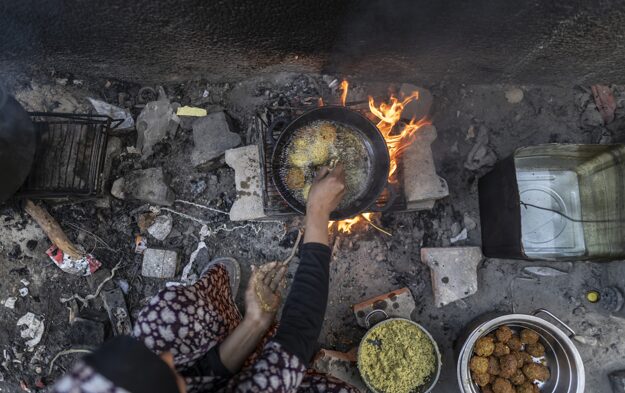
He said municipalities can no longer reach sanitary landfills, forcing waste to accumulate near homes and tents sheltering displaced Palestinians and creating conditions for the spread of disease.
“We are facing a dangerous reality marked by the spread of rodents and insects in the absence of proper waste treatment,” he said.
Al-Sufi called for urgent international intervention, including reopening roads leading to the Al-Fukhari landfill and allowing daily access to the site, along with the entry of fuel, heavy machinery and pest-control materials without restrictions.
He said the landfill, established with international support as an integrated environmental protection system, has remained closed for a prolonged period, causing the surrounding waste management network to break down.
Al-Sufi said municipalities and the waste council are operating under “extremely difficult” conditions, with collection vehicles in an advanced state of deterioration and severe shortages of fuel, oil, batteries and spare parts.
“The ban on the entry of these materials has disabled most of the machinery and turned waste from a service burden into a growing threat to people’s lives,” he said.
The council, which oversees waste management in Khan Younis, Rafah and central Gaza across 17 municipalities, is no longer facing a temporary crisis but “a comprehensive and imminent collapse” of the entire system, he added.
“We will continue to work despite all the challenges,” he said. “But every hour of delay means the danger spreads further and brings us closer to a point that may no longer be reversed.”
The warning comes amid growing concern over the risk of epidemics in Gaza.
Earlier, Palestinian Health Minister Majed Abu Ramadan warned of a “dangerous escalation” in the spread of rodents across the enclave.
On Monday, Hanan Balkhy, the World Health Organization (WHO) Regional Director for the Eastern Mediterranean, warned in an interview with Anatolia that the spread of disease in Gaza could threaten the entire region because of continuing Israeli restrictions.
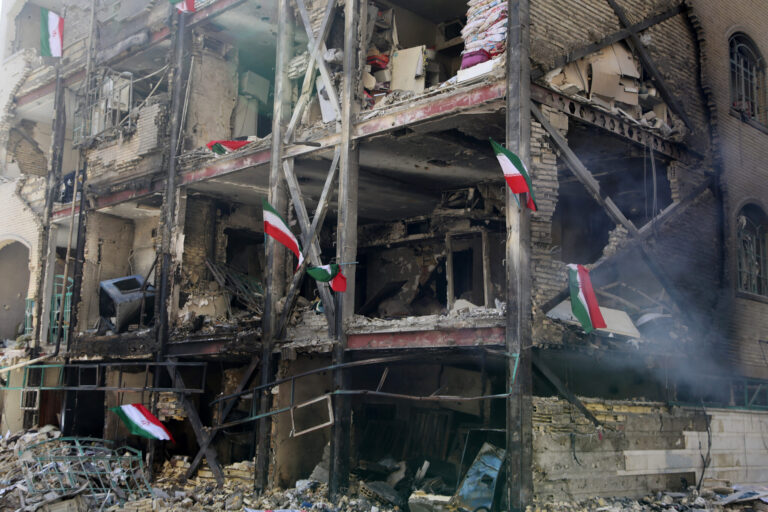
Municipalities and civil defense teams in Gaza have repeatedly warned of the dangers posed by garbage accumulating among displacement camps and the ruins of destroyed homes amid a severe shortage of fuel needed to operate the few remaining garbage trucks and continued Israeli restrictions on access to the main dumping grounds in eastern Gaza.
According to Gaza’s Health Ministry, at least 765 Palestinians have been killed and 2,140 injured in near-daily Israeli attacks in violation of a ceasefire in place since Oct. 10, 2025.
The ceasefire followed more than two years of a genocidal war that has killed over 72,000 Palestinians, wounded more than 172,000 and devastated about 90% of the enclave’s infrastructure.