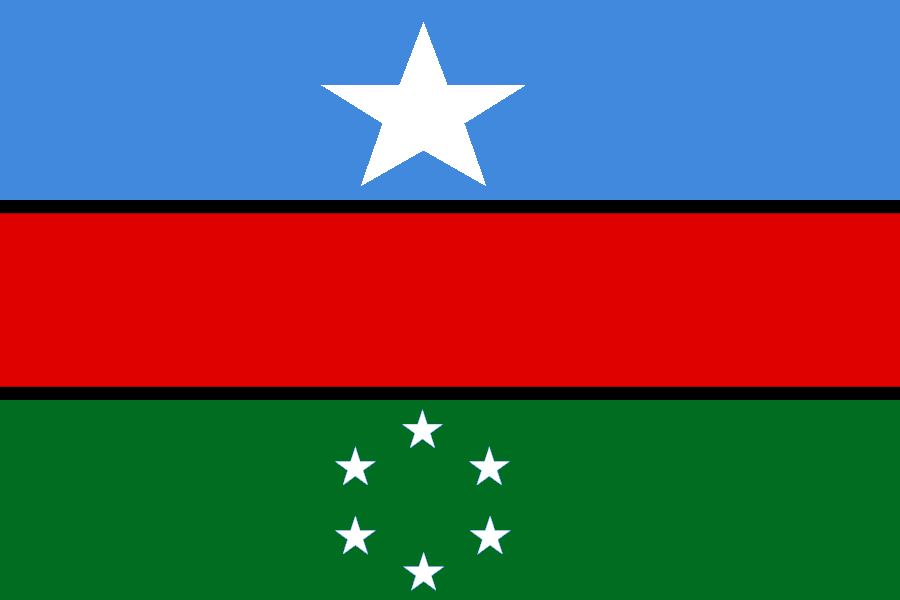
SOMALIA – The South West State of Somalia on Tuesday announced that it had severed ties with the federal government in Mogadishu.
The state has accused the federal government of interfering in its internal politics and arming militias aimed at unseating the state’s president, Abdiaziz Hassan Mohamed Laftagareen.
“South West State declares to the Somali people…. that until a federal government is established which upholds the federal system and the principles of coexistence among Somalis while respecting the autonomy of federal member states, the South West State of Somalia affirms that it is severing relations with the federal government due to the blatant interference against the state,” it said in a statement.
The move comes as political gridlock in the country continues amid constitutional amendments ending a decades-long transitional period in Somalia.
Local flights between the capital Mogadishu and Baidoa, the administrative capital of South West State, were halted Tuesday due to political turmoil, according to local media.
Both houses of Somalia’s parliament voted earlier this month to overhaul the national constitution, ending decades of interim rule.
The move triggered strong criticism from opposition figures and two regional administrations – the southern state of Jubaland and the semiautonomous state of Puntland – which have been at odds with the central government for the past four years.
Opposition leaders and some lawmakers argue that the changes lack broad consensus, raising questions about political stability.
The reforms move Somalia from a parliamentary system to a presidential one, allowing citizens to directly elect the president and lawmakers, replacing the previous clan-based indirect voting.
The terms of the president and parliament were also extended from four to five years.
The new constitution also consolidates power at the federal level, specifically in foreign relations, prohibiting individual states from negotiating foreign agreements.
Help The State Signal reach more people by sharing.