RUSSIA – Russia has reported a second case of imported chikungunya virus according to the Federal Service for the Oversight of Consumer Protection and Welfare of the Russian Federation (Rospotrebnadzor) on Saturday.
“During the epidemiological investigation by Rospotrebnadzor after the detection of an imported case of chikungunya fever, as well as work with contacts, two more patients with elevated body temperature were identified. All of them are members of the same family, vacationing together in Sri Lanka,” the report said.
First Chikungunya Virus Case in Russia
The first case was reported on August 29, from a male who flew from Sri Lanka to Moscow after a 10-day visit.
Following the report, the Rospotrebnadzor stated that the day after the man’s arrival, he sought medical help and was hospitalized in the infectious diseases department with suspected dengue fever, but the results of a PCR test at the Central Research Institute of Epidemiology of Rospotrebnadzor showed a positive result for the chikungunya virus.
The material was also sent to the Vector State Research Center of Rospotrebnadzor to confirm the diagnosis.
The patient was later hospitalized in a moderate condition. Rospotrebnadzor promptly organized and carried out all the necessary anti-epidemic measures.
On New Chikungunya Cases
On the new recorded cases, the department added that a study of the biomaterial of a third patient with an elevated temperature was also being conducted.
“Rospotrebnadzor has carried out all necessary anti-epidemic measures. The risks of importing chikungunya fever to Russia were reported earlier. However, there is no risk of the infection spreading in the country,” Rospotrebnadzor noted.
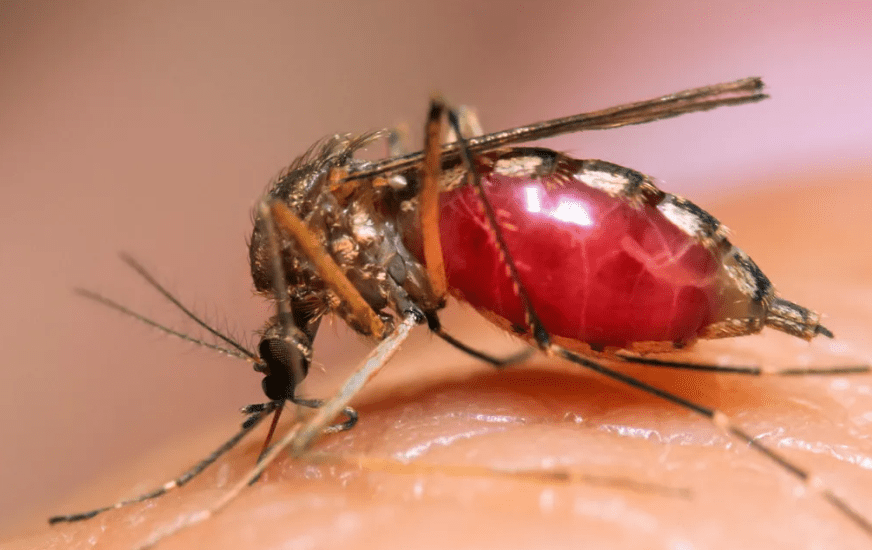
The department assure citizens that the virus doesn’t get transmitted from person to person, but rather from a insect bites.
“At the moment, the number of mosquitoes that carry it in the Russian Federation does not pose an epidemiological danger,” the department concluded.
Help The State Signal reach more people by sharing.