MOLDOVA – Moldova on Wednesday officially withdrew from the core treaties of the Commonwealth of Independent States (CIS), including the founding treaty, the Charter and the Alma-Ata Declaration, following a two-thirds parliament majority approval of the withdrawal last week.
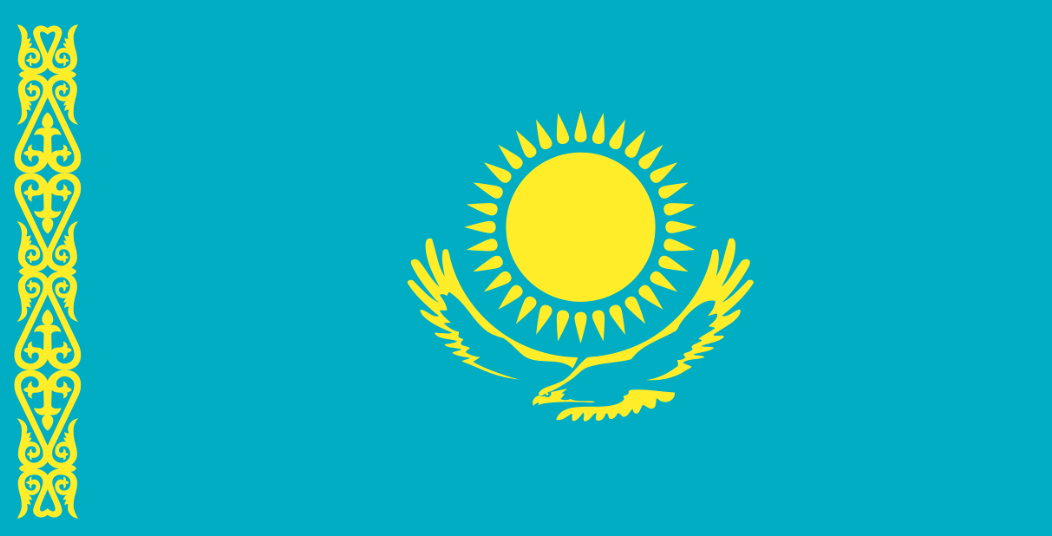
The CIS, a regional intergovernmental organization, was founded in 1991 by Russia, Azerbaijan, Armenia, Belarus, Kazakhstan, Kyrgyzstan, Moldova, Tajikistan, Turkmenistan, Uzbekistan, and Ukraine.
Following the election of Maia Sandu of the Party of Action and Solidarity as president of Moldova in 2020 and the formation of a pro-European government, the republic effectively suspended its participation in key CIS bodies.
Sandu has never attended the organization’s summit since taking office.
Since 2023, Moldova has abandoned several CIS-related agreements across various areas of cooperation.
On January 19, the republic’s Foreign Minister Mihai Popsoi announced that Chisinau had begun the process of denouncing key CIS agreements.
On April 2, the Moldovan parliament approved the withdrawal from the CIS’s founding treaties.
On April 6, Sandu approved the decision.
Meanwhile, Russian Foreign Ministry spokesperson Maria Zakharova said in a statement that the Moldovan parliament’s approval of legislation denouncing three founding agreements within the CIS is “destructive” to the country’s economy.
According to her, “the particular cynicism” lies in the fact that this decision, crucial for Moldova, was adopted by the local authorities without an open dialogue with society and “was pushed through by the votes of the pro-government majority in parliament.”
“It is telling that on the issue of joining the EU, a referendum was held in Moldova in 2024, during which the majority of citizens permanently residing in the country voted against,” she said.
According to her, when it came to withdrawing from the CIS, the Moldovan authorities “did not risk taking a similar step,” seemingly aware that a referendum would almost certainly result in a vote against leaving the organization.
Help The State Signal reach more people by sharing.