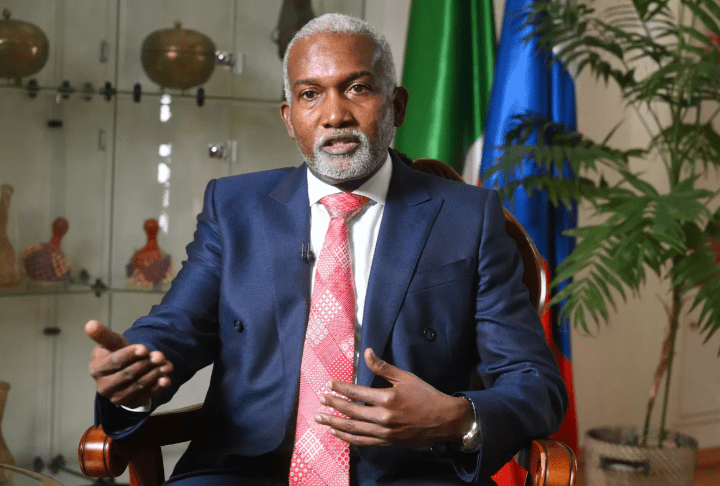
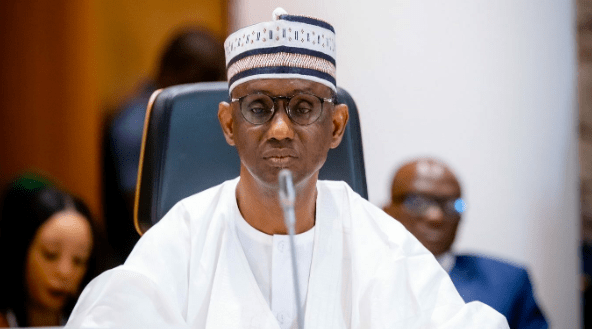
NIGERIA – On Tuesday, the Nigerian Foreign Minister Yusuf Maitama Tuggar refuted Donald Trump‘s claims that Nigerian government was allowing the persecution and killing of Christians.
At a press conference in Berlin, Tuggar presented a document outlining Nigeria’s constitutional guarantees of religious freedom, emphasizing that the government is bound by law to protect all citizens.
“It’s impossible for there to be religious persecution that can be supported in any way, shape, or form by the government of Nigeria. At any level – be it federal, be it regional, be it local – it’s impossible,” he said.
Nigeria’s top diplomat also warned against efforts to destabilize his country following recent threats by US President Trump to launch a military intervention if the government fails to adequately protect Christians.
“What we are trying to make the world understand is that we should not create another Sudan,” Tuggar said. “We’ve seen what has happened with Sudan, with agitations for the partitioning of Sudan based on religion, based on tribal sentiments,” he said.
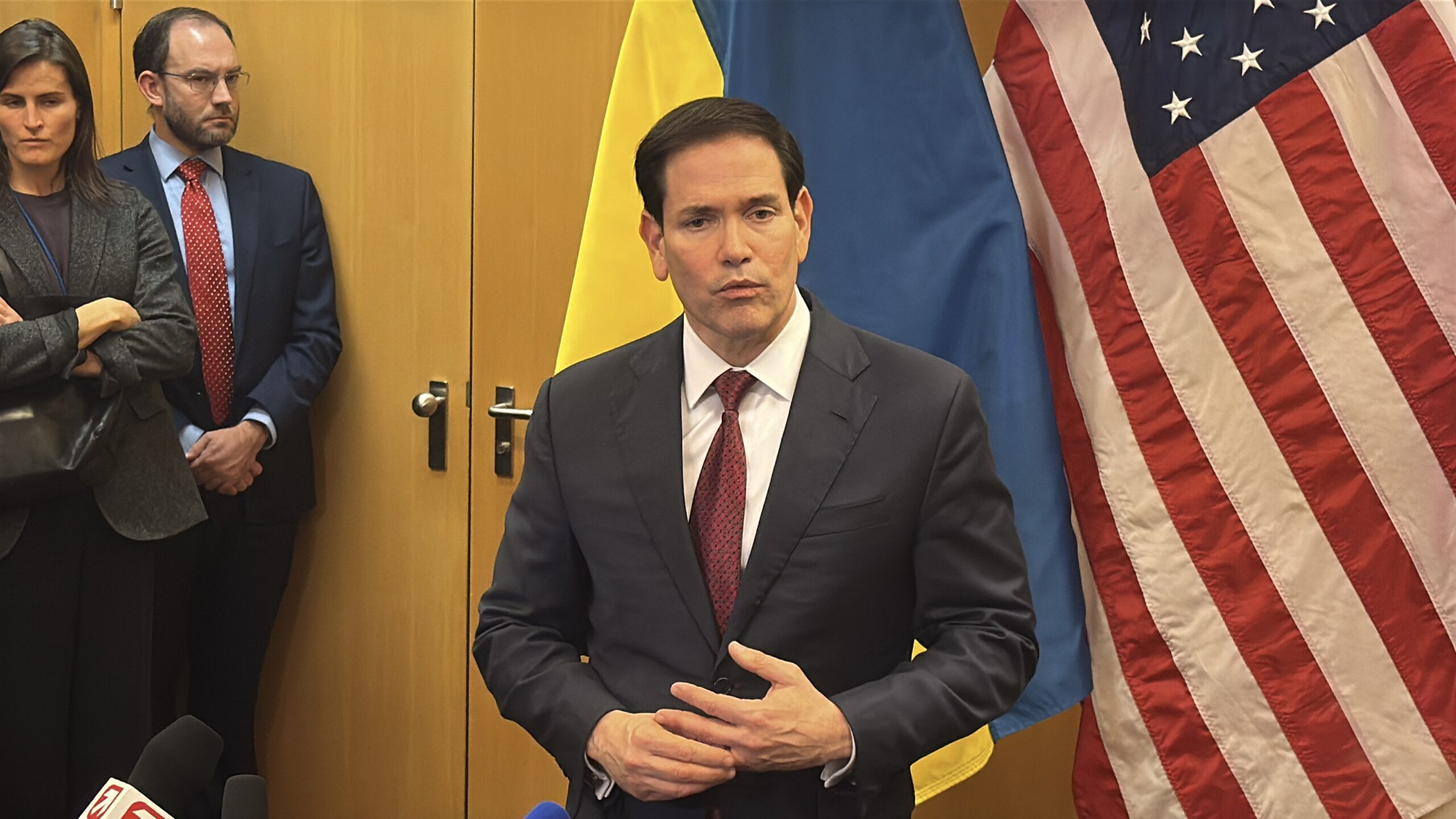
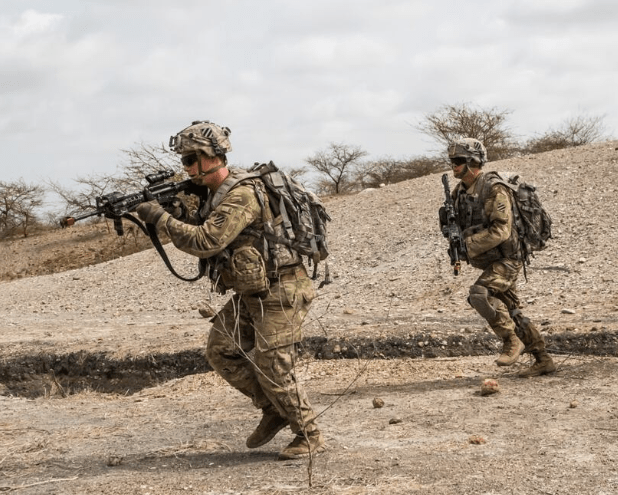
On Saturday, Trump wrote on his Truth Social platform that if the Nigerian government “continues to allow the killing of Christians,” Washington would immediately cut all aid. He threatened that the US could “go into that now disgraced country, ‘guns-a-blazing’.”
Trump’s remarks echo rhetoric from right-wing lawmakers who portray Nigeria’s violent conflicts as attacks on Christians. Most experts say this oversimplifies the situation, as the conflict stems from multiple factors beyond religion.
Nigeria has approximately 220 million people. About half the population is Muslim, 45% Christian, and the rest follow traditional beliefs.
What Nigerians are Saying in Regards to Trump’s Claims
Reverend Yohanna Buru, a Kaduna-based cleric, said that the attacks in Nigeria are not religion-based.
“This issue is particularly severe in the northwest and north-central regions, but no group is specifically targeted on religious or ethnic grounds,” Buru said.
Highlighting that it would be wrong to claim terrorists specifically set out to kill Christians, he said: “Everyone is being killed by these terrorist groups, and it’s still happening.”
“I have witnessed both mosques and churches being attacked, so if I said only Christians are targeted, I wouldn’t be honest,” he added.
Not an interfaith issue but one of governance, inequality, resource distribution
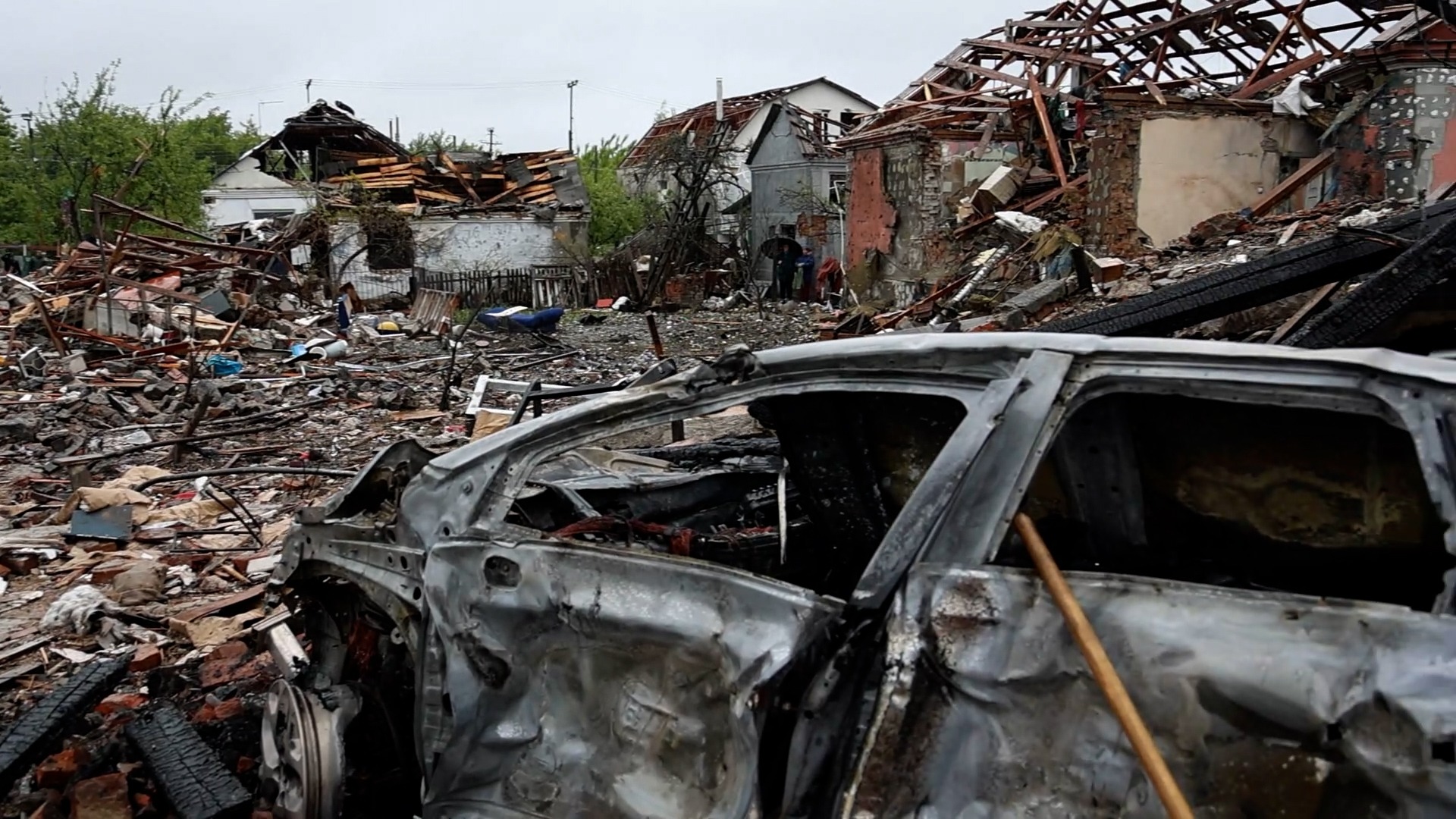
In Nigeria, security is threatened by a mix of terrorist groups, including Boko Haram and the Islamic State – West Africa Province (ISWAP), as well as armed gangs, ethnic militias like the Indigenous People of Biafra (IPOB), and herder-farmer conflicts often rooted in economic and social tensions.
Nigerian political scientist Abdullahi Musa explained that although Christians are targeted, Muslims bear the brunt of Boko Haram’s attacks in the same areas.
“This is not an interfaith issue but one of governance, inequality and resource distribution,” he highlighted.
According to the US-based Armed Conflict Location and Event Data Project (ACLED), there have been 1,923 attacks on civilian targets in Nigeria this year, with only 50 directly linked to Christian identity.
ACLED noted that while insurgent groups often frame their campaigns as “anti-Christian,” the violence frequently makes no distinction and harms all communities.
Help The State Signal reach more people by sharing.