Nigerian Military Strikes on Jilli Village Kills Over 100 Civilians
NIGERIA – Over 100 civilians were killed and 35 others severely injured when Nigerian military strikes targeted Jilli village in the country’s Yobe state over the weekend, according to Amnesty International on Monday.
The army was targeting Boko Haram militants, as the area is considered to be located at the center of a long-running insurgency involving Boko Haram.
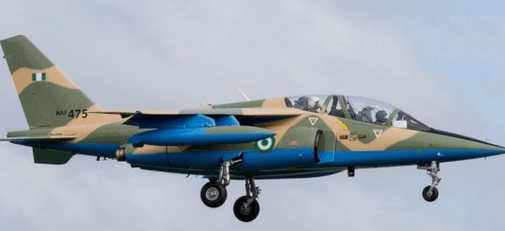
Eyewitnesses said three military jets fired on a market in the village, it added in a statement posted on US social media platform X.
“Launching air raids is not a legitimate law enforcement method by anyone’s standard. Such reckless use of deadly force is unlawful, outrageous and lays bare the Nigerian military’s shocking disregard for the lives of those it supposedly exists to protect,” it added, demanding an urgent and impartial development.
Reacting to the development, Babagana Umara Zulum, governor of Borno state neighboring Yobe, said the market had been officially shut down by the government about five years ago due to its use as a logistics hub by terrorists and their collaborators.
Zulum, who backed the military operation, said authorities had previously closed both Jilli and nearby markets as part of counterinsurgency measures.
In a statement on Sunday, Nigerian Air Force spokesman Sanni Uba said the operation followed sustained intelligence, surveillance, and reconnaissance missions that tracked the movements of terrorists, including motorcycles and gun trucks, converging on the area.
He also described the location as a known enclave for insurgents.
In response to the controversy, the Nigerian Air Force said it had initiated a probe into allegations of civilian casualties, as the incident highlights the ongoing challenges facing Nigeria’s military in its counterinsurgency operations, where civilian areas are often located near suspected militant strongholds.
Nigeria has battled terrorism in the northeast for over a decade. The conflict has killed thousands and displaced millions across the Lake Chad region.