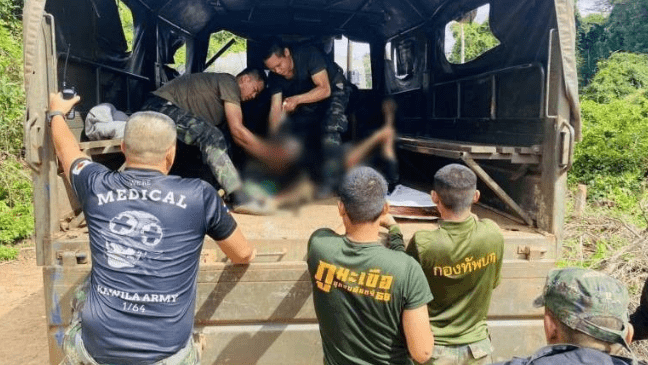
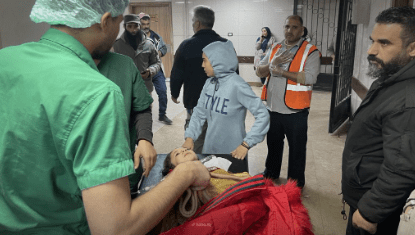
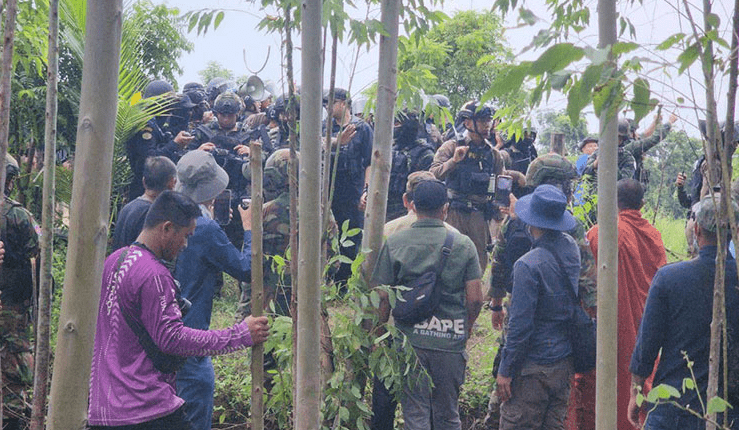
THAILAND – New Thai-Cambodia border clashes erupted on Monday leaving 1 Thai soldier dead and four others injured, with Thailand launching airstrikes along its disputed border with Cambodia.
The Thai Air Force said it used F-16 fighter jets to strike Cambodian positions in the Chong Ahn Ma border area in “retaliation for a series of Cambodian attacks,” state broadcaster Thai PBS World reported.
Thai Army spokesman Maj. Gene. Winthai Suvaree said the fighter jets were ordered into action after Cambodian forces used artillery and aerial munitions against Thai troops at Anupong Base.
“The positions were actively attacking Thai forces,” he said, adding that operations were ongoing.
Cambodia said the attacks undermine commitments made under the ceasefire agreement, which required both sides to refrain from hostile actions and resolve disputes through peaceful means, the Khmer Times reported.
Cambodia’s Ministry of National Defense accused Thai forces of launching a series of “brutal and inhumane” attacks on Cambodian troops along the border in Preah Vihear province, calling the incident a serious violation of the peace agreement.
Large numbers of civilians are reportedly evacuating from border communities on both sides of the conflict zone.
The dispute escalated into deadly clashes in July, displacing thousands of people.
Cambodia and Thailand signed a ceasefire deal in Kuala Lumpur on Oct. 26 on the sidelines of the ASEAN Summit, witnessed by Trump and Malaysian Prime Minister Anwar Ibrahim in a bid to resolve their longstanding border dispute.
4 Cambodian Civilians Killed
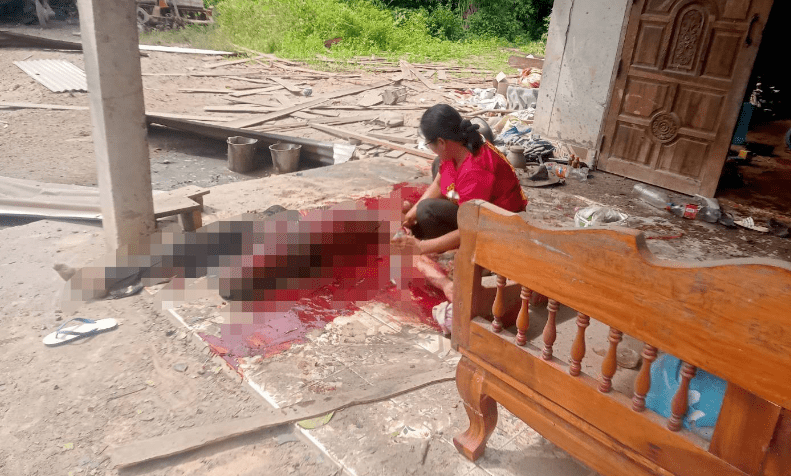
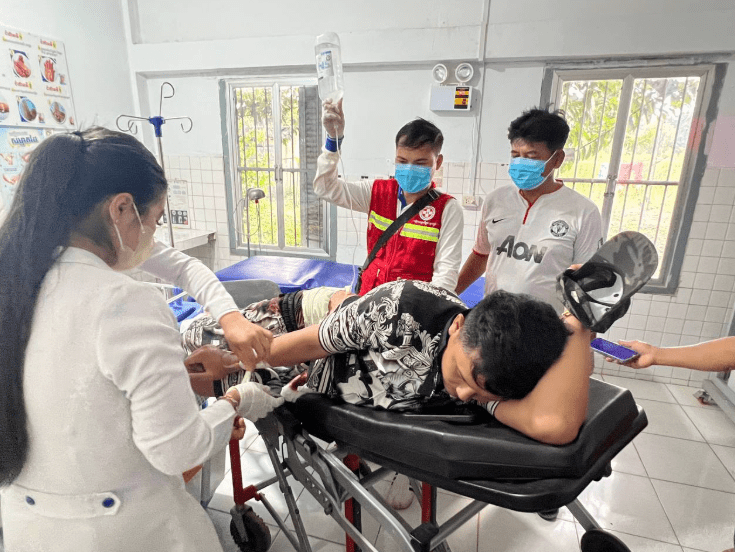
At least 4 Cambodian civilians were killed as clashes between Thailand and Cambodian forces escalated according to local reports.
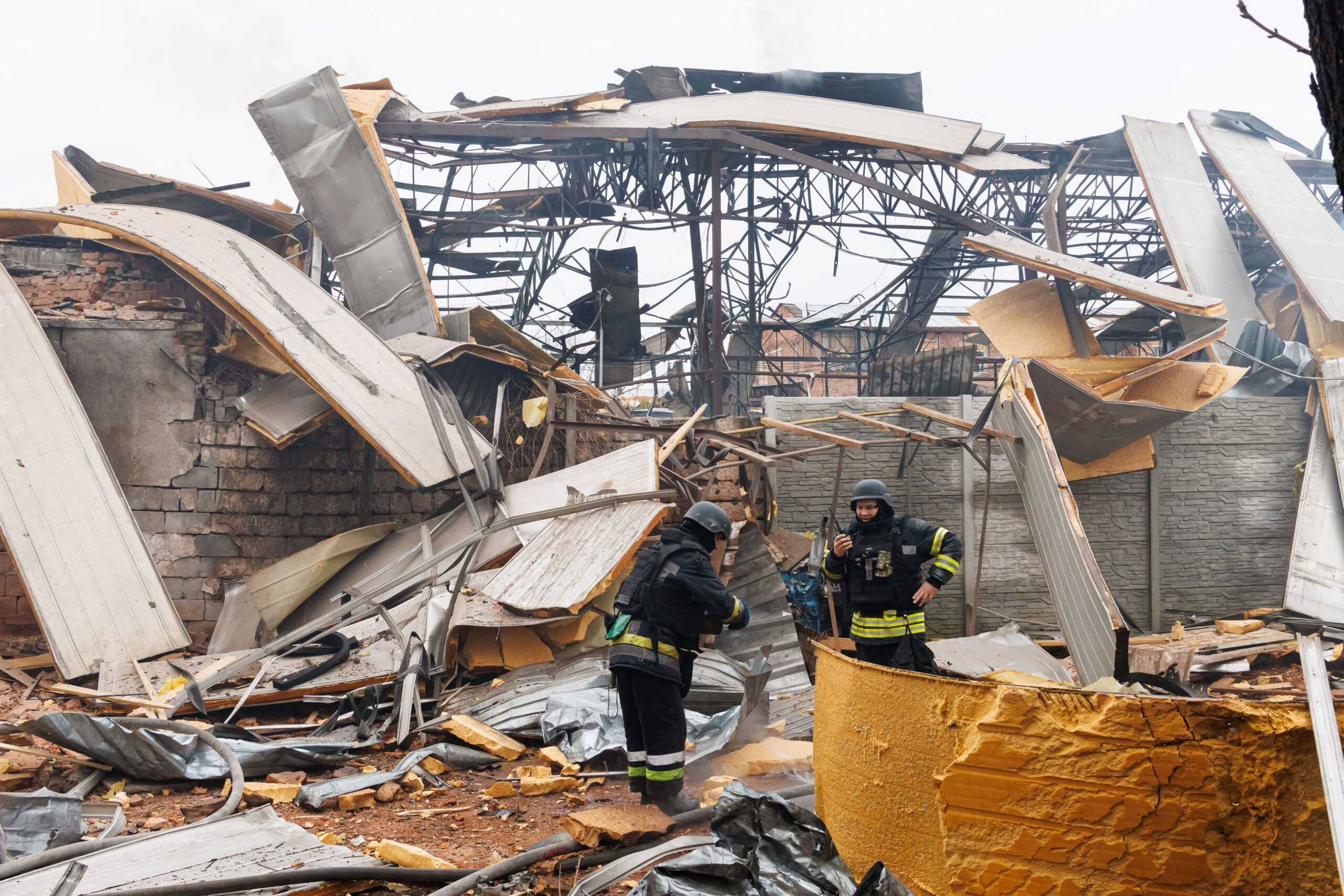
Reports indicate that the Thai military targeted both military and residential locations in Preah Vihear and Oddar Meanchey provinces.
Both Thai and Cambodian forces continue to fire at each other, claiming that they’re conducting retaliatory strikes.
According to Cambodian reports, Thai forces continue to fire at the border territories of Sok Sang, Prey Chan village, and Boeung Trakuan Pass in Ochrov district, Banteay Meanchey province.
Thai Prime Minister Anutin Charnvirakul Says No More Negotiations
As the Thai-Cambodia border clashes intensify, the Thai Prime Minister Anutin Charnvirakul on Monday said that there won’t be any more negotiations with Cambodia.
“With what they have done to us, there will not be any negotiations,” Anutin told reporters, adding that Thailand have no other option than to respond “in order to let them (Cambodia) see that they should not have threatened our sovereignty.”
“No more negotiations. If Cambodia wants the fighting to stop, it will need to comply with our demands,” he said.
A senior Thai military general earlier said that the Thai army seeks to disable the Cambodian military capabilities for a long time.
Malaysia Urges Restraint
Malaysia on Monday urged Bangkok and Phnom Penh to exercise “maximum restraint,” following airstrikes by Thailand along the disputed border with Cambodia.
This came as Thailand launched airstrikes early Monday after fresh clashes left one Thai soldier dead and four others injured, threatening a fragile ceasefire agreement brokered by US President Donald Trump, local media reports said.
“Thailand and Cambodia are close partners of Malaysia and key members of ASEAN. We urge both sides to exercise maximum restraint, maintain open channels of communication and make full use of the mechanisms in place. Malaysia stands ready to support steps that can help restore calm and avert further incidents,” Malaysian Prime Minister Anwar Ibrahim said in a statement.
Expressing concern over the latest escalations, he said the renewed fighting risks unravelling the careful work that has gone into stabilizing relations between the two neighbors.
“Our region cannot afford to see long-standing disputes slip into cycles of confrontation. The immediate priority is to halt the fighting, safeguard civilians, and return to a diplomatic path supported by international law and the neighborhood spirit on which ASEAN depends,” Anwar said.
Help The State Signal reach more people by sharing.